By Florence Owiti
United Green Movement (UGM) presidential aspirant David Maraga has pledged to overhaul Kenya’s healthcare system and end corruption that he says continues to deny millions of Kenyans access to essential medical services.
Speaking during a prayer service at Homa Bay Catholic Cathedral Church, Maraga said he would stop the looting of public resources and direct funds to critical sectors such as healthcare if elected president in the 2027 General Election.
“We have seen very sick people who can’t get essential healthcare services from public health facilities. Others can’t even go to school when they should,” Maraga said. “The level of corruption is alarming in our country. Leaders with the responsibility to manage public resources have resorted to looting, making Kenyans unable to get the required services.”
Maraga, who also spoke to journalists after the service, blamed corruption and mismanagement for the suffering of ordinary Kenyans, saying his administration would ensure every tax shilling benefits citizens.
“I promise the Kenyan people that if you give me the opportunity, I will ensure justice is done to the people of Kenya. I will take care of public resources so that if one gets sick, they can go to the hospital and get medication as required,” he said.
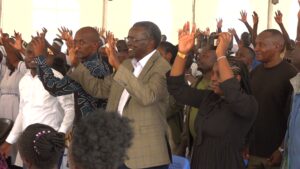 UGM presidential aspirant David Maraga speaks at Homa Bay Catholic Cathedral, pledging to reform Kenya’s healthcare system and fight corruption ahead of the 2027 polls. PHOTO | FLORENCE OWITI
The former Chief Justice said that the mismanagement of funds meant for hospitals and health workers has made the healthcare system unreliable, leaving citizens to bear the brunt of a broken structure.
His remarks come amid ongoing controversy over the Social Health Authority (SHA), which replaced the National Hospital Insurance Fund (NHIF) in 2024. The Auditor-General Nancy Gathungu revealed in her March 2025 report that the government deployed KSh 104.8 billion into the SHA system, despite neither owning nor controlling it.
According to the audit, the system’s infrastructure, components, and intellectual property rights remain under a private consortium, meaning SHA contributions and health claims are financing a platform not owned by the government. The Auditor-General warned that the arrangement posed a serious risk to public funds and healthcare delivery.
The revelations come at a time when Kenya’s health sector continues to grapple with widespread graft and repeated industrial actions. According to the Ethics and Anti-Corruption Commission (EACC), the health sector ranks as the second most corrupt in Kenya. A national survey shows that only 71 percent of Kenyans covered by public health insurance believe it provides quality and affordable care, while a mere 34 percent say it is affordable to most citizens.
Further, the African Development Bank (AfDB) estimates that Kenya loses about US$1.5 billion (approximately KSh 195 billion) annually to corruption, inefficiency, and state capture. In 2024, the country’s doctors went on a 56-day nationwide strike, paralysing operations in public hospitals and forcing thousands of patients to seek private care or go without treatment. Research published in BMC Health Services Research found that during such strikes, patient volumes in hospitals dropped by more than 600 per week, worsening the health crisis.
“When doctors and nurses down their tools, patients die. It’s not because they don’t care. It’s because they are frustrated by a broken system,” Maraga said. “We must pay health workers fairly, equip hospitals, and stop the theft that forces them to protest.”
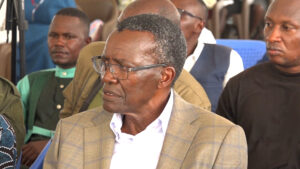 Maraga pledged that, if elected, he would strengthen healthcare oversight, ensure transparency in fund management, and improve conditions for medical professionals to end recurring strikes.
“My administration will not tolerate theft in the health sector,” he emphasized. “I have never taken a bribe in my life, and I will make sure every coin meant for healthcare goes to the sick, not into private pockets.”
The UGM aspirant said his leadership would focus on making healthcare accessible, reliable, and affordable for all Kenyans by restoring integrity and accountability in the management of public funds.
“Health is the heart of the nation,” Maraga said. “If we don’t fix it, everything else collapses.”