By Okoth Otieno
A condom every eight seconds
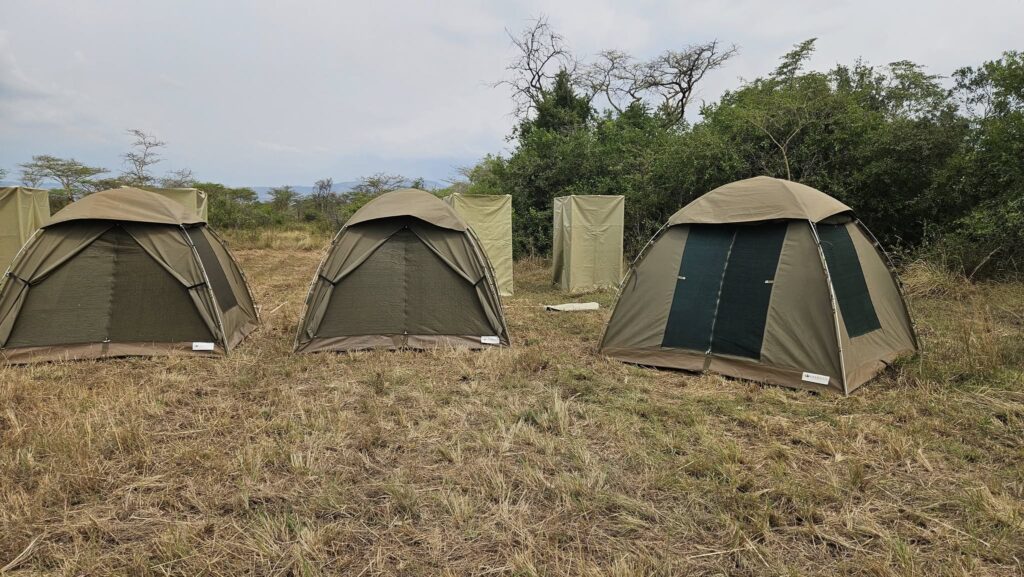
As the Devolution Conference unfolds in Homa Bay County, health authorities have set aside 50,000 condoms for the four-day event, an average of 10,000 condoms per day. The National Syndemic Disease Control Council (NSDCC) regional coordinator Stephen Oyugi says the goal is to curb HIV infections in a region with a staggering 10.6% prevalence rate, triple the national average of 3.3%. The first batch was handed out during a music concert at Ruma National Park. By morning, discarded condoms littered open fields and so-called “green lodges, makeshift spaces where sexual encounters occur during large gatherings. “Within the dark alleys and the park, you come across several used condoms,” Oyugi said, noting the challenge of safe disposal.
Homa Bay: An HIV hotspot
According to NSDCC data, Homa Bay is home to an estimated 109,800 people living with HIV. While prevalence has dropped from over 23% a decade ago to 10.6% today, the county still records some of the highest infection rates in Kenya. Nationally, HIV infections have fallen sharply, from 15,757 new cases in 2013 to 1,495 in 2022, but Homa Bay’s burden remains disproportionately high. “This county has made progress, but the figures still demand urgent, targeted interventions,” says Dr. Samuel Otieno, a public health researcher.
High condom usage: Safety or symptom?
In 2017, Homa Bay distributed 7.19 million condoms, averaging 27 per man aged 15–64 annually. But the Devolution Conference figure, 10,000 per day is a sudden spike, suggesting a surge in sexual activity tied to the event. Public health experts warn that while condoms reduce HIV transmission risk by over 90% when used correctly, such high short-term usage can be a symptom of deeper social issues. “It’s not just about condoms, it’s about why there’s so much sexual activity in the first place during these events,” notes Dr. Otieno.
Underlying drivers: Poverty, transactional sex, and gender inequality
Homa Bay’s fishing communities are long associated with the “jaboya” system, exchanging fish for sex a practice driven by poverty and power imbalance. The same dynamics often surface during major gatherings, when economic opportunities and temporary visitors create fertile ground for transactional sex. One young woman in Homa Bay told UNICEF researchers: “I always prefer to use a condom, but sometimes they offer more money to have sex without one, and I cannot say no. I need to support my family.” This reality exposes the limitations of condom distribution without addressing economic vulnerability.
Conferences as hotspots for risk
Large national events often bring together thousands of visitors, creating a mix of networking, nightlife, and informal economies. The Devolution Conference has featured music concerts, youth dialogues, and late-night social activities, all increasing the likelihood of casual or transactional sexual encounters. While NSDCC’s strategy places condom dispensers at hotels, the main conference pavilion, and other venues, used condoms strewn across public spaces point to incomplete usage, improper disposal, and possibly unprotected encounters when condoms run out or are refused.
Beyond condoms: The missing pieces
Experts argue that focusing solely on condom provision is a reactive measure. A holistic HIV prevention strategy for high-prevalence counties like Homa Bay must include:
- Pre-event sexual health education targeting delegates and locals.
- Economic empowerment programs to reduce reliance on transactional sex.
- Increased HIV testing and linkage to treatment during and after events.
- Behavior change campaigns addressing alcohol use, consent, and safe sex consistency.
Homa Bay’s viral load suppression rate is currently at 84% among patients on antiretroviral therapy, a strong foundation that could be undermined if high-risk behavior spikes during mass gatherings.
Numbers are not just numbers
The sight of 10,000 condoms handed out daily might seem like a victory for safe-sex advocacy, but it’s also a mirror reflecting persistent social and health vulnerabilities. Without addressing the economic, cultural, and behavioral drivers of risky sexual behavior, national conferences risk becoming accelerators of the very epidemics they aim to fight. As one public health officer put it bluntly: “We cannot treat this as just a matter of supply. The condoms are a plaster, we need to treat the wound.”