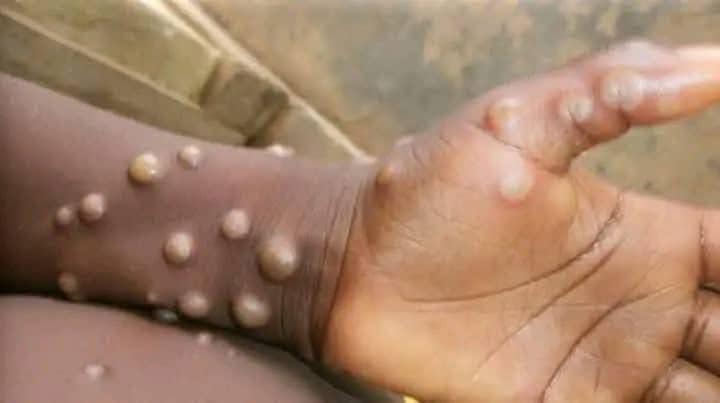
As mpox cases surge rapidly in Sierra Leone, the AIDS Healthcare Foundation (AHF), the world’s largest global AIDS organization, is calling for immediate international action to enhance vaccine access and production across Africa.
Sierra Leone now accounts for 41% of Africa’s mpox cases, with 4,350 confirmed infections and 28 deaths reported since January 10. Despite efforts to contain the outbreak—including the vaccination of 40,000 people, mostly frontline health workers and high-risk groups—the response remains stretched. Contact tracing remains limited, with only two contacts traced per case, and isolation capacity is falling short of demand.
AHF has raised alarm over vaccine hoarding by wealthier nations, high vaccine prices, and the reluctance of pharmaceutical companies to share life-saving technologies with qualified manufacturers in Africa.
“We commend Sierra Leone’s collaboration with the Africa CDC,” said Dr. Penninah Lutung, AHF Africa Bureau Chief. “But they—and the entire continent—should not face this crisis alone. Vaccine equity must be a global priority.”
AHF is urging pharmaceutical firm Bavarian Nordic, which manufactures the Jynneos mpox vaccine, to reduce prices and transfer vaccine production technology to Africa-based manufacturers. The foundation is also appealing to high-income countries to donate excess vaccine doses from their stockpiles to help meet the growing demand in Africa.
The outbreak is not confined to Sierra Leone. The Democratic Republic of Congo remains the epicentre of the crisis, while Uganda, Burundi, Malawi, and more than a dozen other countries have reported increasing mpox cases. The Africa CDC estimates that over 6.4 million doses are required to meet the region’s needs, but supply constraints and high prices have left many countries scrambling for solutions.
The World Health Organization (WHO) still classifies mpox as a Public Health Emergency of International Concern, citing growing case numbers, persistent vaccine shortages, and instability in several affected countries.
This crisis once again highlights Africa’s longstanding vulnerability to global health threats. Past epidemics, including Ebola and COVID-19, have revealed deep systemic inequalities that continue to disadvantage African nations during health emergencies.
During the 2014–2016 Ebola outbreak, more than 28,000 people were infected across 10 countries, with over 11,000 deaths. Similarly, by mid-2021, the continent had recorded more than 11 million COVID-19 cases and nearly 250,000 deaths, underscoring the devastating toll of delayed and unequal access to vaccines and treatments.
Despite initiatives like the WHO Pandemic Accord and COVAX, which aim to promote vaccine equity, Africa still depends heavily on external supply chains and faces limited local production capacity. AHF argues that without technology transfer, affordable local manufacturing, and stronger global collaboration, the continent will remain vulnerable to preventable infectious disease outbreaks such as mpox.
The Foundation warns that in a world as interconnected as ours, failing to ensure Africa’s health security threatens global health stability.