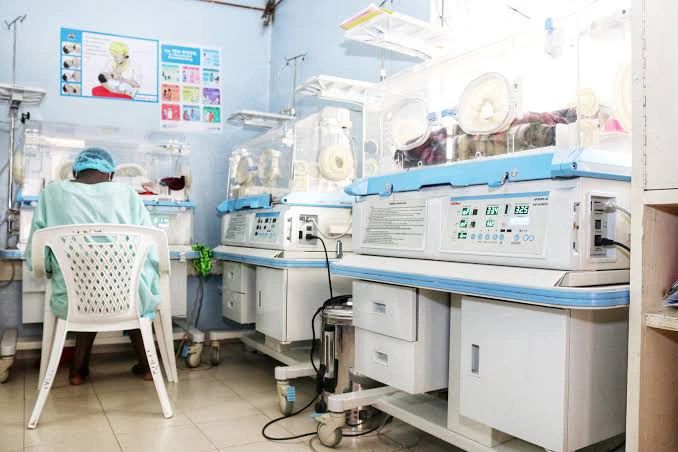
Migori County has recorded a groundbreaking achievement in maternal health by reporting zero maternal deaths in the month of June, marking a milestone in its ongoing efforts to reduce maternal and child mortality. This success comes as a direct result of a comprehensive maternal and child health strategy launched by the county’s Department of Health Services.
The initiative, described by health officials as both proactive and data-driven, has seen maternal mortality drop significantly over recent years—from a high of 693 per 100,000 live births to 412 per 100,000 live births, according to the 2019 Kenya Population and Housing Census. While the national average remains concerning in many regions, Migori’s latest results show what targeted intervention can achieve when supported by strategic planning and local commitment.
“Recording zero maternal deaths in a month is not just a statistic—it’s a sign that our investments in healthcare systems, training, and community engagement are finally bearing fruit,” said Caleb Opondi, the County Executive for Health Services.
A Data-Driven Transformation
Migori’s maternal health turnaround began with a detailed analysis of systemic gaps within the county’s health system. This led to the formation of a dedicated oversight committee tasked with implementing strategic, county-wide interventions across all eight sub-counties.
These efforts have been multifaceted:
- Training healthcare workers on updated maternal care protocols.
- Empowering Community Health Providers (CHPs) to identify and follow up with expectant mothers.
- Hiring specialized professionals, including anaesthetists, to manage surgical cases and post-operative care.
- Equipping dispensaries and health centres with essential medical supplies such as birthing kits, life-saving drugs, and basic surgical equipment.
Human Capital at the Core
Central to the progress has been the continuous training and support of healthcare workers, especially at the grassroots level. CHPs have played a pivotal role by tracking pregnant women, encouraging antenatal visits, and flagging any early signs of complications.
“We are now able to identify high-risk pregnancies early enough and take timely action before it’s too late,” said Mary Atieno, a Community Health Assistant based in Rongo Sub-county.
Additionally, specialized medical personnel like anaesthetists have been deployed to train frontline workers on how to manage patients recovering from surgery, particularly after cesarean sections. These capacity-building efforts have significantly improved surgical outcomes and reduced risks related to anaesthesia.
Infrastructure and Equipment Investment
Health facilities in remote areas have often lacked the necessary tools to handle childbirth emergencies. But Migori County has prioritized investment in this area by ensuring rural health centers are stocked with vital supplies—including oxygen machines, delivery beds, and emergency drugs.
“We no longer refer every complication to sub-county hospitals. Basic emergencies can now be managed right here at the dispensary,” said Lucas Onyango, a clinical officer in Kuria West.
Building a Sustainable Model for Kenya
Migori’s success story stands out in contrast to other counties where maternal health outcomes remain poor. For instance:
- In Siaya County, maternal mortality rates remain above 500 per 100,000 live births.
- Homa Bay and Kisii counties have shown improvement but still struggle with access issues in remote areas.
- Nairobi County, while better equipped, continues to face challenges related to overcrowded maternity wards.
Migori's approach—focused on decentralization, capacity building, and community involvement—is now being seen as a potential model for replication in other devolved units across Kenya.
“We believe this strategy can be adopted nationwide. With political will and technical investment, Kenya can achieve the maternal health goals set out in Vision 2030 and the Sustainable Development Goals (SDGs),” said Dr. Jane Oduor, a maternal health advocate.
The Way Forward
Despite the progress, Migori County health officials are clear-eyed about the work that lies ahead. Maintaining zero maternal deaths will require continued investment, community education, and data monitoring. The County Health Services Department has reaffirmed its commitment to strengthening maternal and child healthcare systems through innovative, inclusive, and evidence-based solutions.
“Every life saved is a testament to what is possible when leadership, systems, and community align,” added Opondi.
With this achievement, Migori joins a small but growing list of African counties redefining maternal healthcare success, signaling that safe motherhood is not a privilege—but a right that can be realized through thoughtful action and dedicated leadership.